When Your Name Becomes a Box: Living Inside the Label Others Built for You

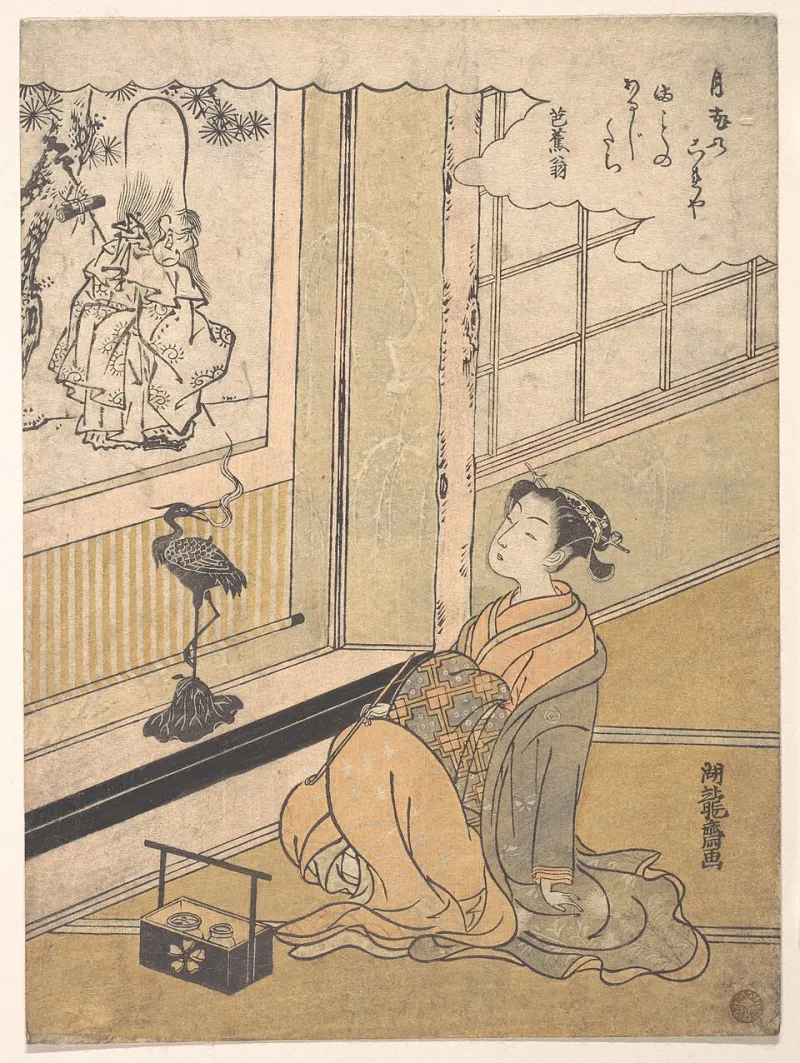
Photo: unknown artists - from book by Joshua Slocum, Public domain, via Wikimedia Commons
Somewhere along the way, if you're lucky — and I mean genuinely lucky, not just Instagram-caption lucky — people start to know your name. They associate it with something specific. A song. A dish. A look. A feeling they had once that they've never quite been able to shake.
And then comes the part nobody warns you about.
The thing they love you for starts to feel like a room you can't leave.
The Gift That Comes With a Lock on the Door
Being known for something is extraordinary. I don't want to minimize that. There are artists who spend their entire lives reaching for recognition and never quite grasp it. So when it comes — when people genuinely connect with what you've made — there's a gratitude that runs so deep it's almost physical.
But here's the paradox: the more completely people embrace that version of you, the harder it becomes to show them any other version. Your name stops being just your name. It starts functioning like a genre. A set of expectations. A contract you signed without ever reading the fine print.
I've watched this happen to artists I respect enormously. The audience that shows up is loyal and real and wonderful — and they want the thing they fell in love with. Which is beautiful, until you've grown past it. Until the song that made you famous sounds like someone you used to be. Until playing the old hits starts to feel like wearing a costume you've long since outgrown.
Real Examples, Real Costs
Think about what happened when Bob Dylan plugged in at Newport in 1965. People actually booed. Not because the music was bad — history has been pretty clear about that — but because he'd violated the implicit agreement. He was supposed to stay folk. He was supposed to stay that. The audience had built their identity partly around his, and when he shifted, it felt like a betrayal.
Of course, Dylan kept going anyway. And we all know how that turned out.
Then there's the other side of the coin. Artists who tried to evolve and genuinely lost the thread — not because growth is wrong, but because the pivot felt disconnected from everything that made them compelling in the first place. Garth Brooks experimenting with his Chris Gaines alter ego in the late '90s is the classic cautionary tale. It wasn't that the idea was inherently terrible. It was that it felt like a costume rather than an evolution, something pasted on rather than grown from within.
The difference between Dylan and that kind of stumble? Dylan's changes were continuous with who he was. Strange and surprising, yes. But they followed an internal logic. He wasn't abandoning himself — he was becoming more himself.
What It Actually Feels Like From the Inside
When you're the person inside the box, the experience is genuinely disorienting. You're grateful. You're proud. And you're quietly suffocating.
People introduce you at parties by your one thing. Journalists frame every new project in relation to the old one. Fans send messages that essentially say, I love your new work, but have you considered going back to doing the thing I loved before? And you smile, because they mean well, and because they're not wrong to love what they love.
But there's a version of yourself that's been quietly accumulating all this time — new influences, new questions, new things you need to say — and that version is getting restless.
The question isn't whether to grow. You're going to grow whether you want to or not. The question is how to do it in a way that feels honest rather than desperate, evolutionary rather than arbitrary.
Growing Without Burning It Down
Here's what I've noticed about the artists who manage this well.
They don't apologize for the old work, and they don't disown it. There's a temptation, when you're eager to move forward, to get a little contemptuous of what came before. To perform a kind of embarrassment about your earlier self as a way of signaling growth. Resist that. The old work is real. It mattered. The people who loved it aren't wrong for loving it. Honor it — just don't let it be the only story.
They bring the audience along rather than leaving them behind. This doesn't mean pandering. It means communicating. Talking about what's changing and why. Being transparent about your creative restlessness. Fans are often more adaptable than we give them credit for — they just need to understand that the thread connects, even when the sound or style is different.
They find the through-line. The artists who evolve successfully aren't abandoning what made them them — they're deepening it. Mavis Staples has made music across gospel, soul, R&B, and indie folk collaborations, and every single project feels like Mavis Staples because she's always singing from the same place inside herself. The genre shifts. The source doesn't.
They accept that some people won't follow. This one is hard. Some of your audience is there for the specific artifact, not for you as a living, changing human being. And when you evolve, they'll feel disappointed. That disappointment is real, and it's okay to feel sad about it. But it can't be the reason you stay frozen.
The Permission You're Waiting For
I'll be honest with you: nobody's going to give you a formal announcement that it's okay to change. There's no ceremony where the audience gathers and says, We release you from the version of yourself we fell in love with. Go be someone new.
You have to give yourself that permission. And you have to do it knowing that some people will be confused, some will be disappointed, and some — the ones who were really there for you all along — will be genuinely excited to see what comes next.
Your name becoming a genre is not the end of the story. It's actually a sign that you did something real, something that landed. The task now is to keep doing real things, even when they don't fit the genre your fans invented for you.
The box is real. But you built yourself once. You can do it again.
And this time, you get to make it bigger.