Nobody's Watching — And That's the Best Thing That Ever Happened to Me
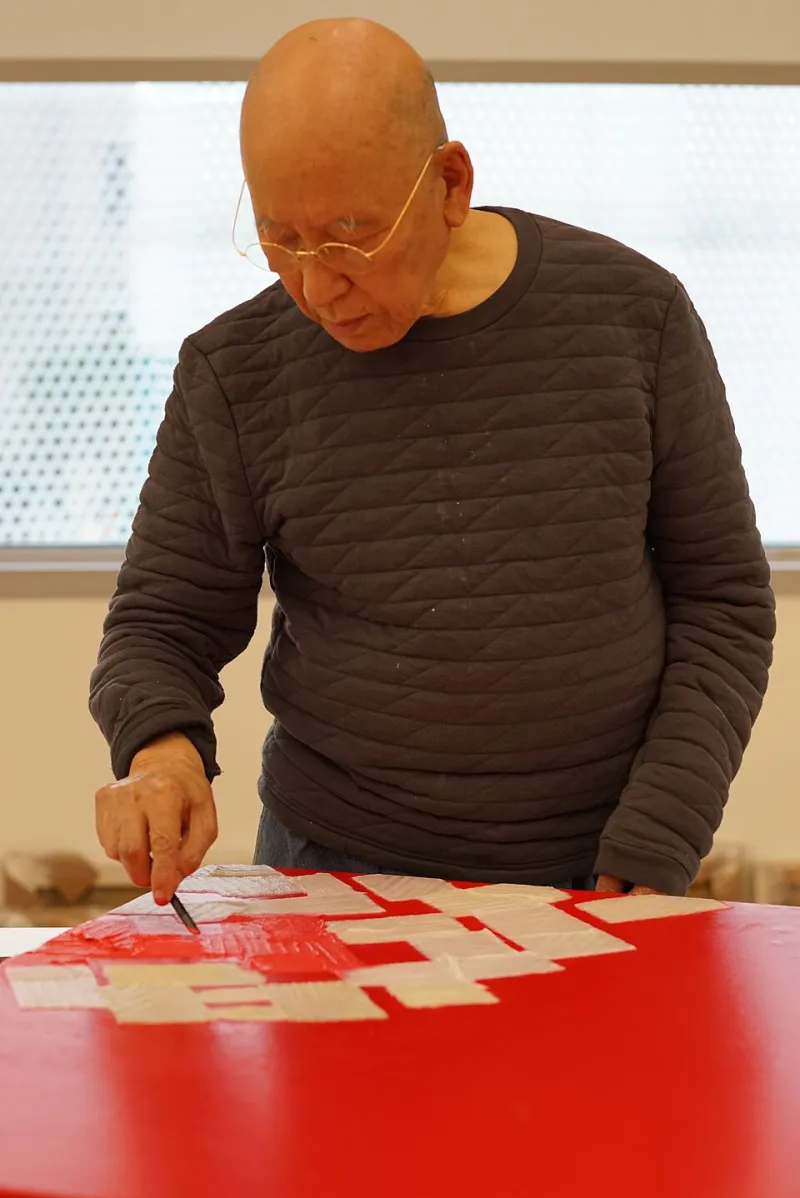
Photo: 선의의 바람, CC BY-SA 4.0, via Wikimedia Commons
Somewhere along the way, I stopped being invited to the table. I'm not sure exactly when it happened — maybe it was gradual, the way a river changes course without announcing itself. One year you're part of the conversation, and then slowly, quietly, you become the kind of artist that people describe as "beloved" or "cult favorite" or — my personal favorite — "ahead of her time." Which is often just a polite way of saying not famous enough to matter right now.
For a long time, that stung. I won't pretend it didn't.
But here's what I've come to understand, after enough years of making things in relative obscurity: being underestimated is one of the most useful gifts the creative life can hand you. And most people are too busy resenting it to unwrap it.
The Invisible Tax of High Expectations
Think about what happens to artists the moment they break through. The pressure shifts almost immediately. Suddenly there's a sound to protect, an audience to maintain, a brand to stay consistent with. The very thing that made them interesting — that restless, unguarded quality — gets managed, packaged, and slowly ironed out.
I've watched it happen to people I admire. The first record is raw and strange and alive. The second one starts to sand the edges down. By the third, you can hear the committee decisions baked right into the mix.
Nobody sets out to make safer work. But when the stakes get high enough, when real money and real careers and real reputations are on the line, the nervous system starts making choices that the creative mind wouldn't. You stop asking what do I want to make? and start asking what am I allowed to make?
Being overlooked removes that tax entirely.
When nobody expects much from you, you can afford to be weird. You can follow a song into uncomfortable territory without worrying about alienating a fan base. You can write the story that doesn't have a tidy ending. You can make the record that sounds nothing like the last one — because nobody was paying close enough attention to the last one to have formed a strong opinion about what should come next.
Obscurity as a Kind of Permission Slip
I remember working on a piece a few years back that I genuinely wasn't sure anyone would connect with. It was personal in a way that felt almost embarrassing — the kind of honest that makes you want to look away while someone reads it. My first instinct was to pull back, to find a safer angle.
And then I thought: who, exactly, am I protecting myself from?
That's the question obscurity teaches you to ask. Because when you're not under a spotlight, there's no crowd to disappoint. There's no press cycle to manage. There's just the work itself and whether it's true.
I kept the piece as it was. It turned out to be one of the things I'm proudest of. Not because it found a huge audience — it didn't — but because it was completely, uncomplicatedly mine. No compromises, no second-guessing, no invisible committee weighing in on whether it was on-brand.
That kind of creative sovereignty is genuinely hard to come by. And ironically, the people most likely to experience it are the ones who've been told, directly or indirectly, that they're not quite mainstream enough to matter.
The Paradox Nobody Talks About
Here's the thing that gets lost in all the conversation about exposure and reach and growing your platform: the artists who get to make the most meaningful work are often the ones who never fully cracked the mainstream code.
Not always. But often.
Because when you're operating outside the commercial spotlight, you're not beholden to market research or quarterly metrics or whatever trend is eating the algorithm this month. You get to make decisions based on what feels true rather than what tests well. And truth — actual, lived-in, uncomfortable truth — is what makes art last.
Think about the musicians, writers, and makers you return to again and again. The ones whose work still means something to you ten, twenty years later. I'd be willing to bet that a significant number of them spent large stretches of their careers being underestimated. Being told they were too niche, too strange, too slow, too regional, too difficult.
And precisely because they weren't being watched too closely, they kept going. They kept making the thing that only they could make.
What I Learned to Do With the Dismissal
I won't romanticize it too much. There are days when obscurity just feels like loneliness. When you've poured yourself into something and it lands in near-silence, the silence can be brutal. I know that feeling well.
But I've learned to do something specific with the dismissal when it comes: I use it as a redirector.
Every time someone writes off what I'm doing as too niche or too quiet or not quite right for whatever moment we're living in, I take that as information. Not about whether the work is good — I've stopped outsourcing that judgment. But about where my actual freedom lives.
If they're not watching, I can go further. I can take the risk I was nervous about. I can follow the instinct that doesn't make obvious commercial sense.
Being underestimated is basically a hall pass. And I've gotten pretty good at using it.
The Audience That Actually Finds You
There's one more thing worth saying here. The people who find work that exists outside the mainstream spotlight — they find it intentionally. They're not passively consuming whatever the algorithm served up. They sought it out. They dug for it. And because of that, the connection they form with it tends to be deeper, more durable, more real.
I'd rather have a hundred people who genuinely needed something I made than a hundred thousand who forgot it by Thursday.
That's not sour grapes. That's a genuine recalibration of what success means when you've had enough time to think clearly about it.
The artists who get dismissed early and keep going anyway — they often end up building something that outlasts the noise. Not in spite of being overlooked, but in some real sense because of it. Because the pressure to perform for approval never got the chance to reshape what they were making.
So if you're sitting somewhere right now feeling invisible, feeling like the work you're doing isn't getting the recognition it deserves — I want you to hear this:
You are operating in one of the most fertile creative conditions that exists. The expectations are low. The gatekeepers aren't watching. The hall pass is in your pocket.
Use it.