When Love Becomes a Cage: Navigating the Fans Who Want You to Stay the Same

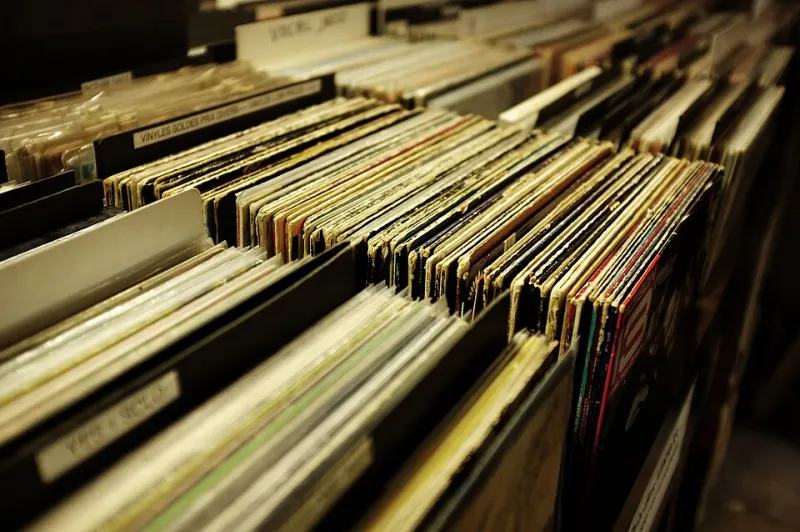
Photo: Jakub Hałun, CC BY-SA 4.0, via Wikimedia Commons
There's a particular kind of conversation that happens to artists at a certain point in their lives. It usually starts with something sweet — a message, a comment, a face at a show you've seen a dozen times before. And the message says something like: I've followed you since the beginning. Please don't change.
And you smile. You feel it in your chest. Because that kind of devotion is genuinely beautiful.
And then, somewhere underneath the warmth, something tightens.
The People Who Found You First
Every artist has them — the early believers. The ones who discovered you before the algorithm did, who passed your name around like a secret worth keeping. They came to the small venues, bought the self-released albums, defended you in comment sections when the world hadn't caught up yet. You owe them something real. That's not sentiment — it's just true.
But here's the thing nobody talks about enough: the version of you they fell in love with was a snapshot. A moment in time. And you, being an actual living human being with a brain that keeps developing and a heart that keeps breaking and healing and breaking again, have not stopped moving since that picture was taken.
The tension isn't about ingratitude. It's about the nature of growth itself.
What Devotion Can Do to Both of You
When fans love a specific version of you hard enough, something subtle starts to happen. Their love becomes a kind of contract — not one anyone signed, but one that both parties can feel. They start to see your evolution not as natural development but as a kind of betrayal. A new sound becomes abandonment. A different visual aesthetic becomes selling out. A shift in subject matter becomes forgetting where you came from.
And if you're not careful, you start to feel it too. You start making creative decisions — consciously or not — based on what that audience expects. You soften the edges of something new because you're worried about the reaction. You reach for the familiar chord when the unfamiliar one is what actually wants to come out.
That's when devotion quietly becomes a ceiling.
I've watched this happen to artists I admire deeply. The ones who fought through it came out with some of their most powerful work on the other side. The ones who didn't — who stayed in the lane their early fans drew for them — often ended up making technically competent work that felt oddly hollow. Like a cover of themselves.
The Myth of Betrayal
Here's a reframe worth sitting with: growing is not the same as leaving.
When Bob Dylan went electric at Newport in 1965, people literally booed. When Radiohead followed up The Bends with OK Computer and then Kid A, a chunk of their fanbase felt genuinely abandoned. When Beyoncé released Lemonade, some people who'd loved her since Dangerously in Love didn't know what to do with it. History tends to remember those pivots as genius. But in the moment? Those artists heard the same thing you might be hearing: this isn't what I wanted from you.
The myth is that staying true to your audience means staying still. But the artists who actually honor their earliest supporters are the ones who keep bringing something real — even when real looks different than it used to.
How to Hold the Relationship Without Losing the Work
None of this means dismissing the people who've carried you. It means being thoughtful about how you communicate, and honest about what you're doing and why.
A few things that actually help:
Be transparent about the shift before it lands. You don't owe anyone a creative explanation, but sharing the feeling behind a new direction — not the justification, just the human experience of it — goes a long way. People can feel when you're being real with them, even when they don't love the new thing.
Separate the feedback from the fear. Some of what early fans express as disappointment is actually just grief — they're mourning a version of you they loved, and that's a legitimate feeling. It doesn't mean you're wrong. It means they cared. You can hold space for that without letting it redirect your compass.
Keep showing up in the ways that matter. The relationship with a real audience isn't just transactional — it's built on presence, on acknowledgment, on the sense that you actually see them. You can change your art radically and still honor that connection through how you engage, how you talk about your work, how you treat the people who show up.
Trust that some of them will follow. Not all of them. But the ones who love you — not just the specific thing you made in 2018 — will be curious about where you're going. And sometimes, given time and a little patience, even the most resistant early fans come around.
The Longer Story
A life in art is not a single statement. It's a conversation that spans years, sometimes decades. The whole point is that it keeps going, keeps shifting, keeps surprising even the person making it.
The fans who love you most? They deserve the full story. Not just the chapter they first opened the book on.
And you deserve the freedom to keep writing it.