You Are More Than Your Greatest Hit
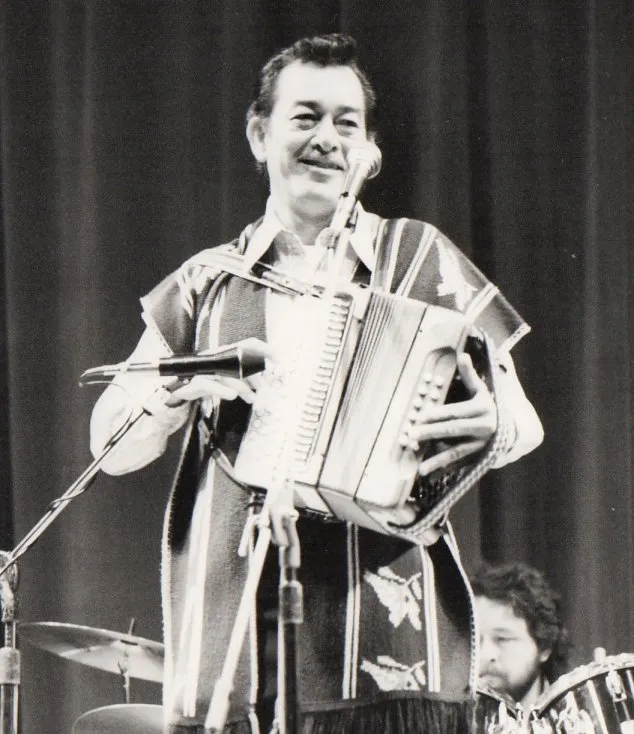
Photo: Tony 1212, CC BY-SA 4.0, via Wikimedia Commons
Somewhere along the way, somebody decided who you are. Maybe it was a song that caught fire. A story that got shared around. A style, a sound, a single moment that landed — and suddenly, that moment became your whole identity in the eyes of the people who love your work.
And look, that's not nothing. Being known for something real, something you made with your hands and your heart? That's a gift. But gifts can become cages if you're not careful.
The Comfortable Prison of a Signature Sound
Here's what nobody talks about enough: the loneliness of being typecast by your own audience. It's a specific ache. You're surrounded by people who love what you do, and yet you feel utterly unseen — because what they love is the version of you from three years ago, or five, or ten.
I've watched it happen to musicians who dared to change direction after a beloved record. Fans show up to concerts expecting the old songs, the old energy, the old person — and when they don't get it, they feel cheated. The artist, meanwhile, is standing on stage wondering if they're allowed to grow in public.
Spent some time thinking about Joni Mitchell's famous pivot from folk to jazz on Court and Spark and beyond. Critics were confused. Some fans felt abandoned. And Joni just kept going, kept evolving, kept making the music that was alive in her at the time. History vindicated her completely. But that vindication took years, and in the meantime, there was real friction.
The friction is the part nobody warns you about.
Why We Cling to What We Know
Audiences aren't cruel when they want you to stay the same. They're human. They found something in your work that moved them, and they want more of that feeling. That's actually a beautiful thing — your art became part of their life. It's woven into a memory, a relationship, a moment they carry with them.
But here's the tension: you are not a memory. You are a living, changing person. And creative stagnation — making the same thing over and over because it's expected of you — is its own kind of slow death.
The internal negotiation between honoring your audience and honoring your own evolution is real work. It doesn't have a clean resolution. But it does have some navigable paths.
How to Expand Without Erasing What Came Before
Lead with continuity before you introduce contrast. If you've been known as a folk singer and you want to experiment with electronic production, you don't have to abandon everything. Some of the most successful creative pivots are ones where the artist brings their old audience along slowly — a song here, a collaboration there — before they fully step into the new direction. You're not deceiving anyone. You're walking them somewhere new at a pace they can follow.
Talk about your process openly. One of the most underused tools an artist has is transparency. When people understand why you're changing — when they can see the internal logic of your evolution — they're far more likely to come with you. A newsletter, a social post, even a note in the liner credits that says this record is me trying something I've never tried before can completely reframe how your audience receives new work.
Give your old work its proper place without letting it be your ceiling. You don't have to pretend the thing that made you known doesn't exist. Play the song. Tell the story. But contextualize it as part of a longer arc, not the whole arc. "This is where I started" is very different from "this is all I am."
Find the audience overlap. There are almost always people in your existing fan base who are hungry for you to do something unexpected. They're not the loudest voices — the loud ones are usually the ones defending the status quo — but they're there. Make work for them too. They'll become your early adopters for the next chapter.
The Part That's Just Hard
I want to be honest with you: some people will leave. When you evolve, not everyone makes the journey. And that loss is real, even when the evolution is right.
But consider the alternative. Consider what it costs to perform a version of yourself that no longer fits. To make art that doesn't excite you anymore because you're afraid of disappointing people who may not even notice your quiet suffering.
The artists who've had the longest, most meaningful careers aren't the ones who found a formula and stuck to it. They're the ones who kept asking themselves what they were genuinely curious about, and then had the nerve to follow that curiosity even when it made people uncomfortable.
Being known for one thing is a starting point. It doesn't have to be a destination.
A Note on Identity and Courage
There's something almost radical about an artist who refuses to be flattened into a single dimension. In a culture that rewards consistency and punishes surprise, choosing to grow in public is an act of real courage.
You are allowed to be more than your greatest hit. You are allowed to make the weird record, write the different kind of story, try the thing that doesn't fit neatly into the box your fans built for you. You might lose some people in the process. You might also find yourself — and find a whole new group of people who are waiting for exactly this version of you.
The loneliness of being known for one thing doesn't have to be permanent. It's an invitation to introduce yourself again.