You've Been Speaking All Along: Stop Searching for a Voice You Never Lost
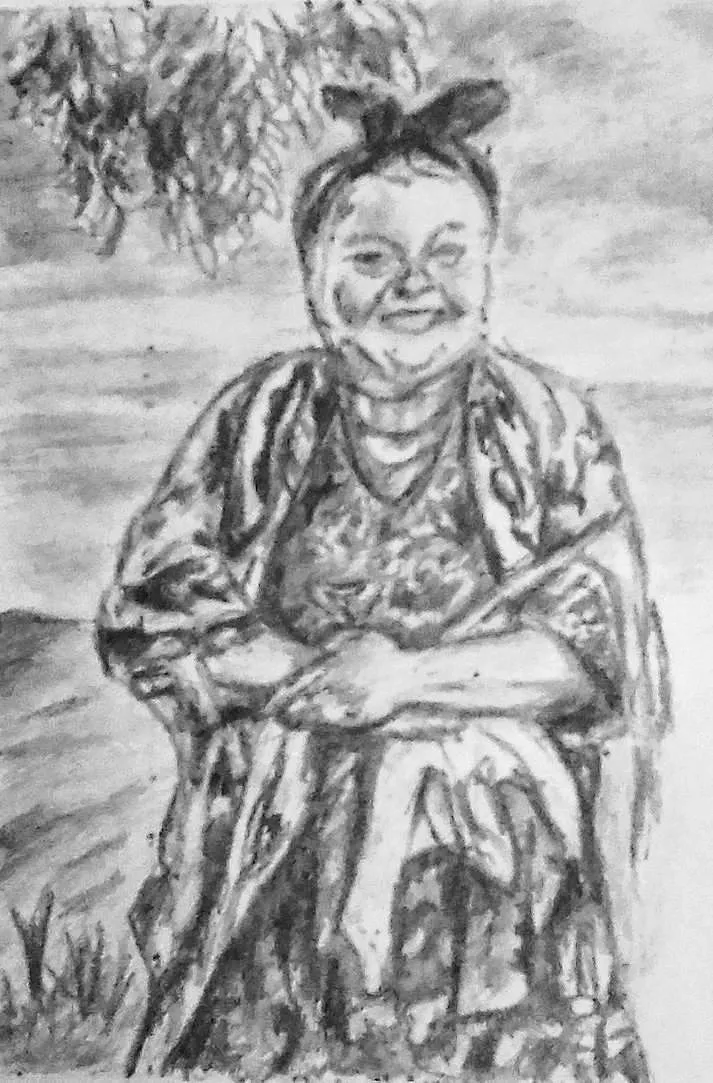
Photo: Tamtam90, CC BY-SA 4.0, via Wikimedia Commons
The Search That Never Had to Start
I used to stand in front of a mirror before gigs and try to figure out who I was supposed to sound like. Not consciously — I wasn't sitting there with a checklist. But somewhere in the back of my head, there was always this low-grade anxiety that I hadn't quite arrived yet. That the real version of my creative self was still out there somewhere, waiting to be discovered like a quarter under the couch cushion.
Here's the thing nobody tells you when you're starting out: the voice you're desperately hunting for? You've been using it this whole time. Every time you hummed something in the shower, every time you scribbled a lyric on a napkin at a diner, every time you told a story at the dinner table that made everyone go quiet — that was it. That was the voice. You just weren't calling it by the right name.
What Perfectionism Actually Does to You
Perfectionism is sneaky. It disguises itself as ambition. It tells you that the reason you're not putting work out is because you're serious about quality, because you care too much to share something half-baked. But what it's really doing is holding your natural expression hostage until it meets some impossible standard that keeps moving every time you get close.
I've watched incredibly talented people spend years rewriting the same song, rerecording the same demo, repainting the same canvas — not because the work wasn't good, but because some internal critic kept whispering that it wasn't them yet. As if the real them existed somewhere outside the work they were already making.
The uncomfortable truth is that perfectionism isn't about the work. It's about fear. Fear that if you show people what you actually sound like, actually think like, actually feel like — they won't want it. So you keep refining, keep polishing, keep chasing a version of yourself that's somehow more acceptable than the one already standing in the room.
The Comparison Trap Is a Hall of Mirrors
Spend five minutes on social media and you'll find approximately ten thousand artists who seem to have figured it all out. Their aesthetic is cohesive. Their captions are sharp. Their music sounds confident and fully formed. And there you are, with your pile of unfinished songs and your weird little ideas that don't fit neatly into any genre, wondering what's wrong with you.
Nothing is wrong with you. The comparison trap is a hall of mirrors — every reflection is distorted. What you're seeing is everyone else's highlight reel, their most polished moments, the version of themselves they've decided to make public. You're comparing that to your raw, private, messy creative process, and of course it doesn't match up. That's not a fair fight.
Here's what I've noticed over the years: the artists whose voices feel the most distinctive, the ones whose work you'd recognize in a lineup, aren't the ones who studied other people the hardest. They're the ones who got so deep into their own weird obsessions that they stopped looking sideways entirely.
Industry Pressure and the Flattening Effect
The music industry — and the entertainment world more broadly — has a long, distinguished history of telling people to sand down their edges. Be more commercial. Be more accessible. Don't be too this or too that. The notes you get from labels, managers, and well-meaning collaborators often have less to do with your actual artistry and more to do with what sold last year.
If you've spent any time in those rooms, or even just absorbing that culture from the outside, you've probably internalized some of those voices. They become part of the inner critic. They become the reason you second-guess the song that came out too honest, too strange, too personal.
But here's the irony: the work that breaks through — the stuff that actually connects with people in a lasting way — is almost always the work that ignored those notes. It's the work that was too something. Too raw. Too specific. Too weird. The things that make your voice yours are precisely the things the industry wants to smooth away.
Practical Ways to Get Back to Yourself
So how do you stop searching and start recognizing what you already have? A few things that have actually worked for me, and for people I've made music and art alongside over the years:
Make something with no audience in mind. Seriously. Write a song you'll never play live. Record a voice memo at 2 a.m. just because something occurred to you. Paint something on cardboard. The absence of an audience removes the performance layer and lets the real thing come through.
Go back to your oldest stuff. I know, I know — it's embarrassing. But there's often something raw and unfiltered in early work that later sophistication covers up. Look at it not to cringe, but to notice what's consistent. What themes keep showing up? What images? What feelings? That's the thread.
Stop asking if it sounds like you. That question keeps you in your head. Instead ask: does this feel true? Did I mean it? Those are better questions.
Talk to someone who knew you before you started trying. A childhood friend, an old bandmate, a sibling. Ask them what they notice about how you talk, what you care about, what makes you different. Sometimes the people who knew you before you had a creative identity can see your voice more clearly than you can.
The Voice Was Never Missing
At the end of the day, the search for an authentic voice is a story we tell ourselves to justify the fear of being seen. Because if you haven't found your voice yet, you don't have to share it. You can keep it safe. You can keep it private and perfect and unspoiled by other people's reactions.
But art isn't meant to stay private. And your voice — with all its particular quirks and obsessions and the specific way you see the world — isn't meant to stay locked up while you go looking for a better one.
You've been speaking all along. The question was never whether you had something to say. It was whether you were willing to let people hear it.