Every Song You Play Is a Confession: The Hidden Autobiography of a Live Set
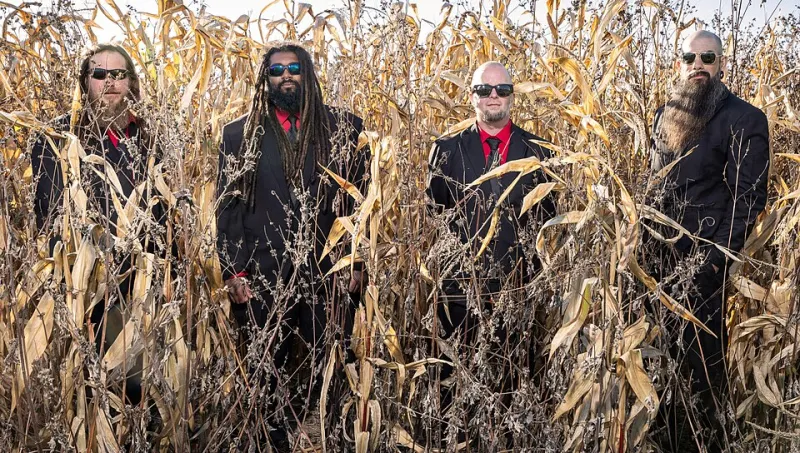
Photo: Devilz By Definition, CC BY-SA 4.0, via Wikimedia Commons
There's a moment, usually a few days before a show, where you sit down with a blank page or an open notes app and start making decisions that feel almost embarrassingly personal. Which songs come out of the vault tonight? Which ones stay locked away? Which one opens the whole thing, setting the temperature for everything that follows? People think setlists are logistical. They're not. They're confessional.
I've been thinking a lot about what it means to curate yourself in real time — in front of a room full of people who came with their own expectations, their own memories attached to your songs, their own version of who they think you are. Because here's the thing nobody really talks about: the setlist is where the negotiation between your past self and your present self happens in public.
The Songs That No Longer Fit
Every artist has them. Songs that meant everything when you wrote them — that poured out of you at some specific moment of grief or joy or rage — and now feel like wearing a coat two sizes too small. You can still put it on. It's technically yours. But you're uncomfortable the whole time, and anyone paying close enough attention can see it.
For a long time, I think a lot of us play those songs out of obligation. The audience loves them. They're the ones that get the biggest reaction, the loudest singalong, the most social media clips the next morning. And there's a real pull to give people what they want. It feels generous. It feels grateful.
But there's a version of that generosity that's actually a kind of self-erasure. When you keep performing a song that no longer reflects who you are — just because it's expected — you're essentially agreeing to be a tribute act to your former self. Night after night, you're resurrecting a person you've already moved past. And that takes something out of you that's hard to name but very real to feel.
Retiring a song the world expects you to play forever is one of the bravest things an artist can do. It's also one of the least understood.
The Order Is the Argument
Here's what most people in the audience don't realize: the sequence of a setlist is a form of rhetoric. You're making an argument about how your body of work fits together, what themes connect across years, what emotional journey you want someone to take in the span of ninety minutes.
Opening with something vulnerable says: I trust you immediately. Opening with something loud and declarative says: I'm not here to ease you in. Ending on an old song everyone knows can feel like a gift — or it can feel like you're still too afraid to let your newest work be the last thing they carry home.
I've seen artists use their setlist order to essentially rewrite their own history. They'll sandwich a newer, less-loved song between two crowd favorites, giving it a context it couldn't earn on its own. Or they'll deliberately strip out the hit and close with something quiet and strange, daring the audience to follow them somewhere unfamiliar. That's a statement. That's an artist saying: this is where I actually live now, and I'd like you to visit.
What Gets Left in the Vault
The songs that don't make the cut are just as revealing as the ones that do.
Sometimes a song gets left behind because the production doesn't translate to a live setting — fair enough, purely logistical. But more often, the omissions are emotional. There are songs too raw to perform without coming undone. Songs attached to people or periods of your life that you're not ready to excavate in front of a crowd. Songs you wrote during a version of yourself you're still in the process of forgiving.
And sometimes — this is the one that sneaks up on you — a song gets dropped not because it's painful, but because you've genuinely outgrown it. Not tragically. Just quietly. The way you stop wearing a shirt that used to be your favorite. Nothing dramatic happened. You just reached for something else one too many times, and eventually the old thing stayed in the drawer.
There's real wisdom in honoring that. Not every song deserves to live forever in your live set just because it once mattered enormously. Growth gets to look like this too.
When the Set Evolves, So Do You
I've noticed that the artists who seem most fully alive on stage — the ones who make you feel like you're witnessing something rather than just watching it — tend to be the ones whose setlists shift meaningfully from tour to tour, sometimes from show to show. They're not running the same program they ran five years ago. They're tracking something. Their own evolution, maybe. Or their relationship to their catalog, which changes as the catalog grows.
Bruce Springsteen famously plays four-hour sets that vary wildly depending on the city, the crowd, even the weather. Phoebe Bridgers swaps songs in and out based on what she says she can emotionally handle that night. Joni Mitchell, in her remarkable recent return to performing, has made choices about what she plays that feel like a whole separate artistic statement about what she wants her legacy to hold.
These aren't arbitrary choices. They're ongoing self-portraits, updated in real time.
The Courage to Play the New Thing
Maybe the hardest setlist decision of all is giving real estate to work that hasn't been proven yet. New songs in a live set are a gamble. The audience didn't come for them. They don't know the words. There's no shared memory attached. You're essentially asking people to meet a stranger in the middle of a party where everyone else is an old friend.
But that gamble is also where trust gets built — real trust, not the comfortable kind that's just familiarity wearing a nicer name. When an artist plays something new and asks the room to sit with it, they're treating their audience like adults. Like people capable of encountering something unfamiliar and finding their way into it.
That's the kind of relationship worth building. The kind where your audience follows you forward instead of just waiting for you to look back.
So the next time you're building a set — or even just watching someone else perform theirs — pay attention to the choices. What they play first. What they save for last. What's conspicuously missing. What gets the obvious slot and what gets the brave one.
The music is the music. But the setlist? That's the autobiography.